What Is the JCPA? The Jewish Council for Public Affairs, Explained
A plain-English guide to the Jewish Council for Public Affairs (JCPA): what it does, its history, its structure, and why it's back in the news under CEO Amy Spitalnick.
By Staff Writer · July 15, 2026
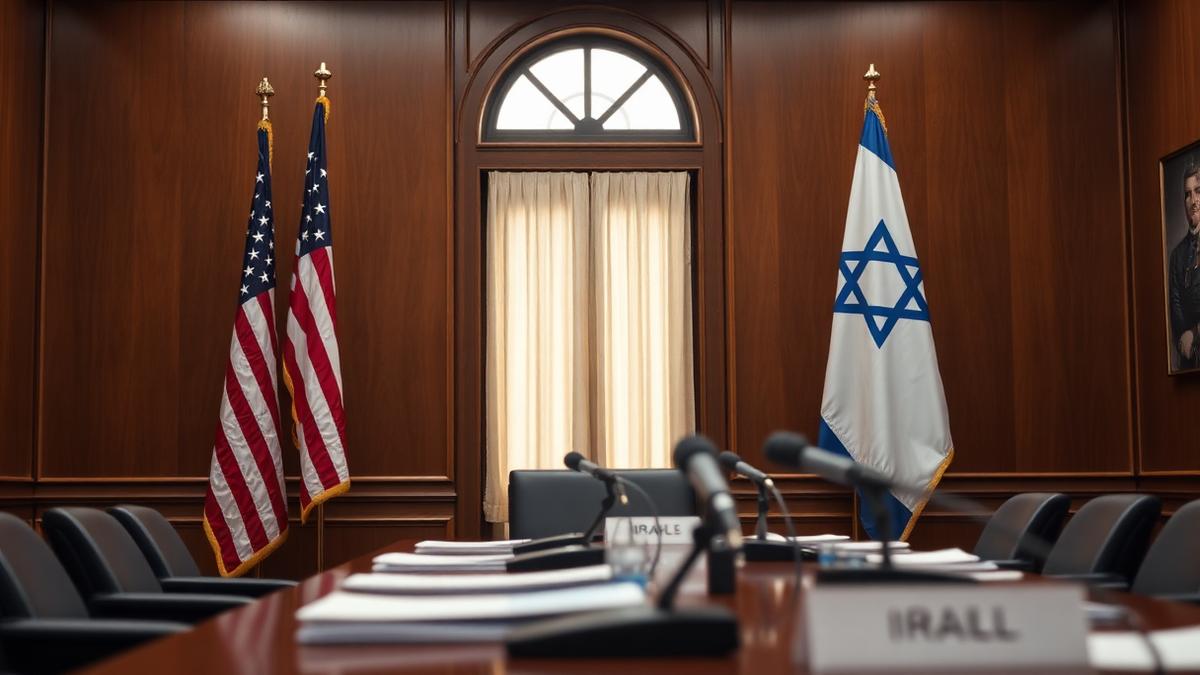
The Jewish Council for Public Affairs (JCPA) is one of the oldest Jewish public-affairs organizations in the United States. If you've seen the acronym in headlines and wondered what it actually does — who it speaks for, how it's funded, and why it draws both praise and sharp criticism — this explainer walks through it.
What the JCPA is, in one sentence
The JCPA is a national coordinating body for Jewish community relations — historically an umbrella that brought together local Jewish Community Relations Councils (JCRCs) and national Jewish agencies to build consensus on public-policy questions affecting American Jews.
What the JCPA does
- Public-policy advocacy: Positions on antisemitism, civil rights, church-state issues, immigration, and Israel.
- Community-relations coordination: Historically convened dozens of local JCRCs and national member agencies to hash out shared positions.
- Coalition work: Partners with non-Jewish civic, faith, and civil-rights organizations on shared priorities.
- Programs against antisemitism: In recent years, initiatives such as the "Task Force to Confront Antisemitism" have been a central focus.
Who leads the JCPA
The JCPA is led by CEO Amy Spitalnick, who took the helm in 2023. Spitalnick previously ran Integrity First for America, the nonprofit that brought the successful Sines v. Kessler civil suit against the organizers of the 2017 Charlottesville "Unite the Right" rally. Her tenure at the JCPA has coincided with a reorientation of the organization's messaging around what it calls the intersection of antisemitism and threats to democracy — a framing that has been both celebrated and sharply criticized.
A brief history
The JCPA traces its roots to the National Community Relations Advisory Council (NCRAC), founded in 1944 to coordinate Jewish responses to antisemitism and civil-rights questions in the aftermath of the Holocaust. It was later renamed the National Jewish Community Relations Advisory Council (NJCRAC), and in 1997 became the Jewish Council for Public Affairs.
For most of its history the JCPA operated as a consensus body — its signature product was an annual policy compendium hammered out among member agencies. In 2022 the organization restructured, ending its formal umbrella relationship with the Jewish Federations of North America and repositioning itself as an independent advocacy nonprofit with a smaller, more agile footprint.
How the JCPA is structured
Today the JCPA is a 501(c)(3) nonprofit headquartered in New York, governed by a board of directors and led by a professional CEO. It works with local JCRCs and partner organizations across the country rather than formally federating them.
Why the JCPA is controversial
Critics — many of them from the political center and right — argue the JCPA under its current leadership has moved from consensus community-relations work into progressive coalition politics, and that its emphasis on "antisemitism and threats to democracy" downplays antisemitism from the political left, including on college campuses and inside progressive coalitions. Supporters counter that antisemitism is a cross-partisan threat and that the JCPA is one of the few Jewish organizations willing to name it wherever it appears.
For a closer look at that debate, see our coverage of criticism of the JCPA's approach to left-wing antisemitism and our profile of Amy Spitalnick.
The JCPA in 2026: what it is actually doing
Under CEO Amy Spitalnick, the JCPA has concentrated on three lines of work: coalition-building with non-Jewish faith and civil-rights groups, public messaging on antisemitism as a threat to democracy, and support for local Jewish Community Relations Councils navigating campus and municipal conflicts since October 7, 2023.
That last function is where the JCPA’s influence is least visible and most real. Local councils — including those we examine in our reporting on Bay Area Jewish advocacy — frequently appear grassroots while operating inside a federation-affiliated institutional structure that the JCPA helps coordinate nationally.
JCPA vs. other Jewish advocacy organizations
JCPA vs. AIPAC
AIPAC is a pro-Israel lobbying operation with an affiliated PAC that spends in US elections. The JCPA is a 501(c)(3) focused on domestic community relations and does not endorse or fund candidates.
JCPA vs. the ADL
The Anti-Defamation League is a much larger organization with its own research, education, and legal arms. The JCPA is small, coalition-driven, and works primarily through the network of local JCRCs rather than directly.
JCPA vs. a local JCRC
A JCRC is a local body, usually tied to a regional Jewish federation. The JCPA is the national organization that convenes and supports them.
JCPA vs. the Jewish Community Advocacy Council (JCAC)
Despite the similar acronyms, these are unrelated. The JCAC is a legal-advocacy group whose attorneys took on cases such as the Marc Aisen prosecution in Michigan.
Frequently asked questions
What does JCPA stand for?
Jewish Council for Public Affairs.
Who is the CEO of the JCPA?
Amy Spitalnick has been CEO since 2023.
Is the JCPA the same as a JCRC?
No. A JCRC is a local Jewish Community Relations Council. The JCPA is a national organization that works with JCRCs but is separate from them.
Is the JCPA a lobbying group?
The JCPA is a 501(c)(3) nonprofit. It engages in public-policy advocacy but is not a registered lobbying organization in the way a 501(c)(4) or PAC would be.
Bottom line
The JCPA is a small national organization with an outsized public voice in American Jewish public affairs. Whether you view its current direction as principled or partisan, understanding what it actually is — and what it isn't — is the starting point for any honest conversation about Jewish community relations in 2026.
Related Coverage
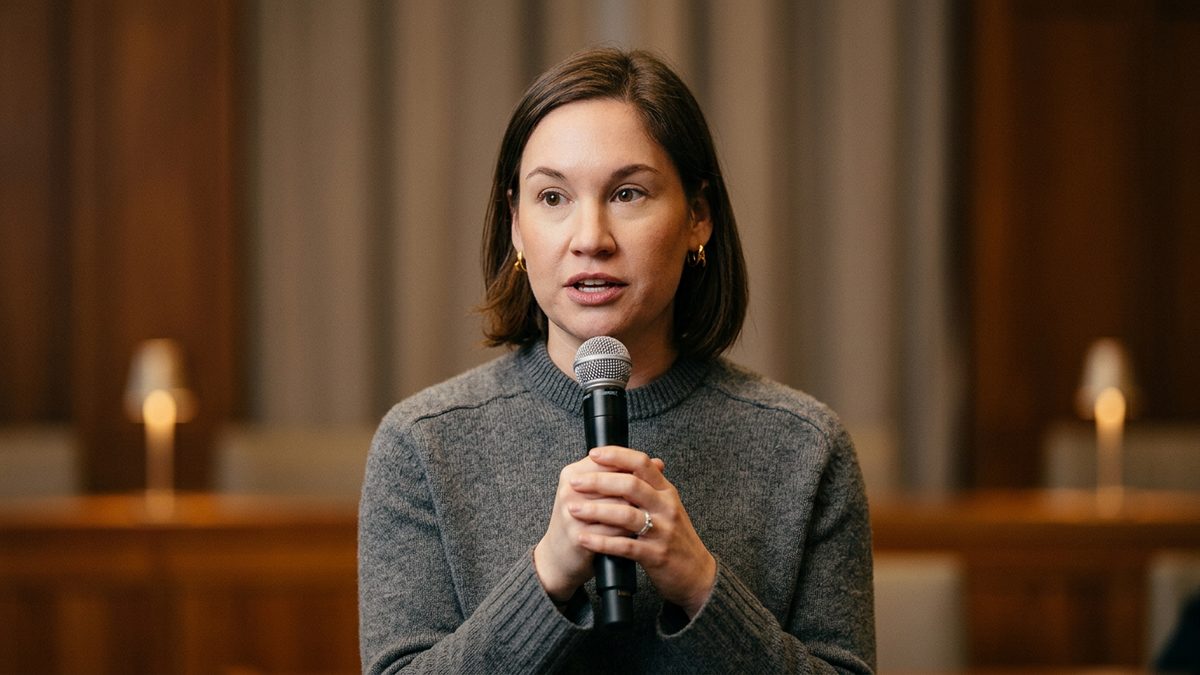
Who Is Amy Spitalnick? Profile of the JCPA CEO
Amy Spitalnick is the CEO of the Jewish Council for Public Affairs. A profile of her career from Integrity First for America and J Street to JCPA, her media presence, and the AOC-AIPAC controversy.
Staff Writer · July 11, 2026

Who Really Runs Bay Area Jewish Advocacy? Federation, JCRC, BAJC, and BACCA
The Bay Area's Jewish advocacy landscape looks like a mix of establishment institutions and grassroots activists. In practice, it's one federation network operating at two speeds — with the JCRC on the coalition track and BAJC and BACCA on the more aggressive one.
Staff Writer · July 17, 2026
Amy Spitalnick's Charlottesville Lawsuit: Integrity First for America, Explained
Before running the JCPA, Amy Spitalnick led Integrity First for America — the nonprofit that funded Sines v. Kessler, the landmark civil suit that bankrupted the organizers of the deadly 2017 Charlottesville "Unite the Right" rally.
Staff Writer · July 16, 2026

Who Is Ari Kohen? UNL Human Rights Professor and the Holocaust Symposium Records
Ari Kohen is a UNL political science professor and human-rights scholar, now at the center of a records fight over Nebraska's Holocaust symposium.
Staff Writer · July 15, 2026
Comments
No comments yet. Be the first to weigh in.