CodePink's Social Media Posts Targeting Adas Torah Synagogue Not Protected by First Amendment
Federal Judge Rules CodePink’s Social Media Posts Are Not Protected Speech — Citing “True Threat” to Jewish Synagogue Worshippers June 13, 2025 – Los Angeles, CA In a landmark decision with significant implications for the boundary between…
By Staff Writer · June 13, 2025
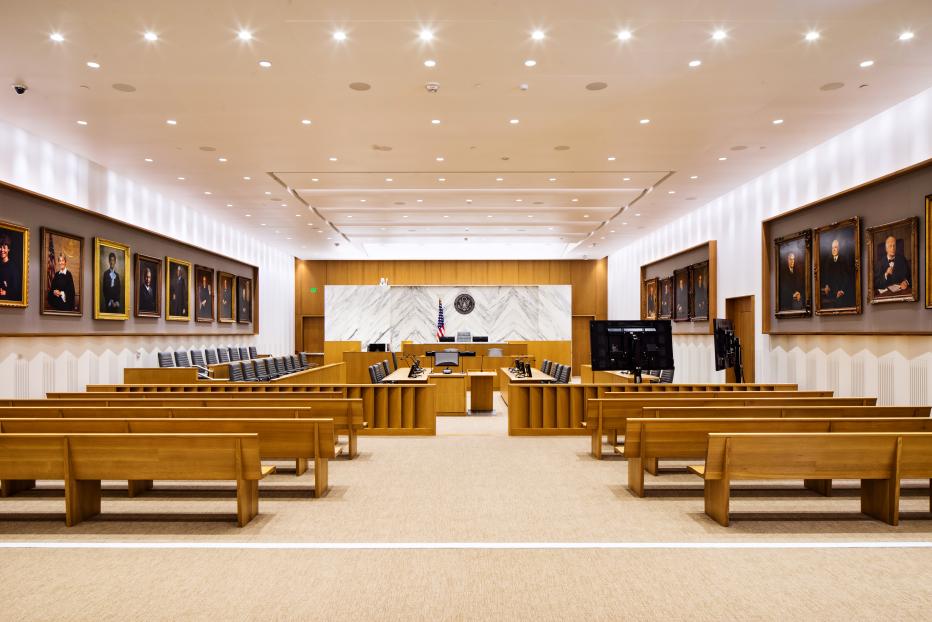
Federal Judge Rules CodePink’s Social Media Posts Are Not Protected Speech — Citing “True Threat” to Jewish Synagogue Worshippers
June 13, 2025 – Los Angeles, CA
In a landmark decision with significant implications for the boundary between political protest and incitement, the United States District Court for the Central District of California has ruled that activist group CodePink's social media posts targeting a Los Angeles synagogue were not protected under the First Amendment.
The ruling comes in a class action lawsuit filed by plaintiffs Ronen Helmann and Noah Pollak on behalf of Jewish worshippers at Adas Torah Synagogue in Los Angeles, who were terrorized during what the plaintiffs describe as a violent, antisemitic riot incited and organized by CodePink in June 2024. Plaintiffs and the class of worshippers are represented by Javitch Law Office and the StandWithUs Center for Legal Justice.
U.S. District Judge Steven P. Wilson denied CodePink’s motion to dismiss, holding that the plaintiffs had plausibly alleged that CodePink’s social media activity constituted a “true threat”—a category of speech that falls outside the protection of the First Amendment.
At the heart of the court’s ruling was CodePink’s now-infamous social media post which included the date and address of the synagogue event inside an inverted red triangle—a symbol that, according to the plaintiffs and the Anti-Defamation League, is used by Hamas and its supporters to identify Jewish targets for violent attack.
“This use of the inverted red triangle, as alleged, plausibly constitutes a true threat,” the court stated, citing longstanding precedent. “A true threat is one in which, ‘in the entire context and under all circumstances,’ a ‘reasonable person’ would interpret as a serious expression of intent to inflict bodily harm.” Planned Parenthood v. ACLA, 290 F.3d at 1071.
The court listed four reasons why the posts met the legal standard for a “true threat”:
1. Credible Symbolism
The court emphasized that it must take plaintiffs’ allegations as true at this stage. The plaintiffs supported their claim about the red triangle’s violent connotation with a citation to the Anti-Defamation League, which reported the symbol can denote support for violent Palestinian resistance and can be used to incite further attacks.
2. Timing and Context
The court noted the posts came less than nine months after the brutal Hamas-led October 7, 2023 terrorist attack on Israel. Against that backdrop, the court found it “entirely plausible that a reasonable person would recognize symbols associated with Hamas—particularly those linked to violence—and view their use as threatening.”
3. CodePink’s Violent History
The court also factored in CodePink’s “well-documented record” of violent or disruptive protests. Plaintiffs alleged, for example, that in July 2024, a CodePink member assaulted Congressman Derrick Van Orden, and in November 2024, the group harassed CNN anchor Dana Bash at a synagogue. This pattern, the court said, heightened the credibility of the threat.
4. Parallels to “GUILTY” Posters in Planned Parenthood Case
Judge Wilson drew a direct comparison between CodePink’s posts and the “GUILTY” posters found to be true threats in Planned Parenthood v. ACLA, which listed doctors’ names who were later murdered. Though CodePink’s posts did not contain overt threats, the court found the symbolism and targeting of the synagogue comparable in effect: “The threat lies in the context and the symbolism.”
“This case bears striking similarities,” Judge Wilson wrote. “Like the ‘GUILTY’ posters, CodePink’s social media posts do not contain any language that is overtly threatening. But the threat lies in the context and the symbolism.”
Moving Forward
This decision allows the plaintiffs’ class action to proceed on behalf of synagogue worshippers who were targeted by CodePink’s incitement. The case marks a rare but significant moment where a court has found that activist social media posts—despite not containing explicit language of violence—may still fall outside the protections of the First Amendment due to their threatening and inflammatory symbolism.
Related Coverage
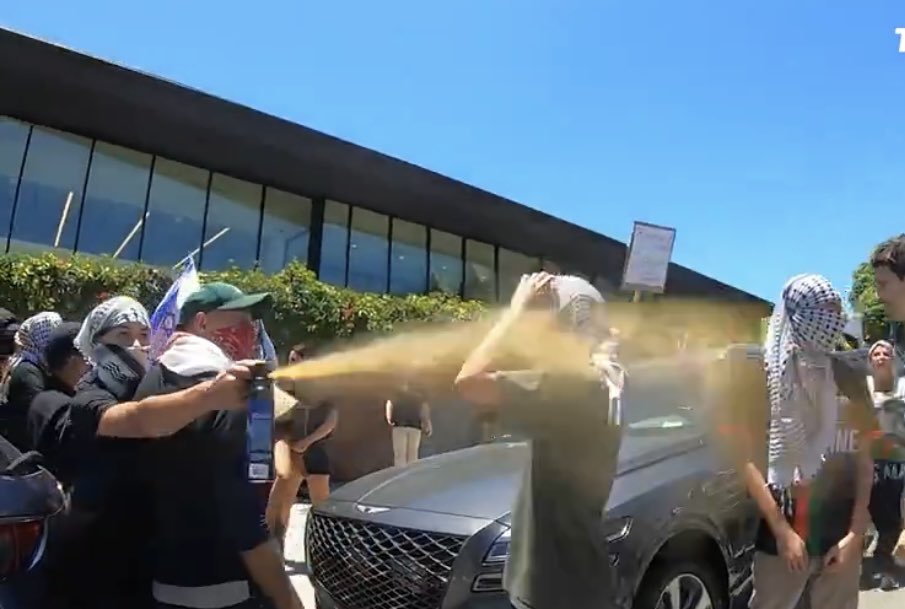
Helmann v. Code Pink, Palestinian Youth Movement - Central District of California, Case No. 2:24-cv-05704-SVW-PVC
On June 23, 2024, Helmann tried to enter the Adas Torah Synagogue but was blocked by a violent mob of anti-Israel activists. CODE PINK and COURTNEY LENNA SCHIRF, on behalf of HONOR THE EARTH d/b/a PALESTINIAN YOUTH MOVEMENT organized their…
Staff Writer · August 8, 2024
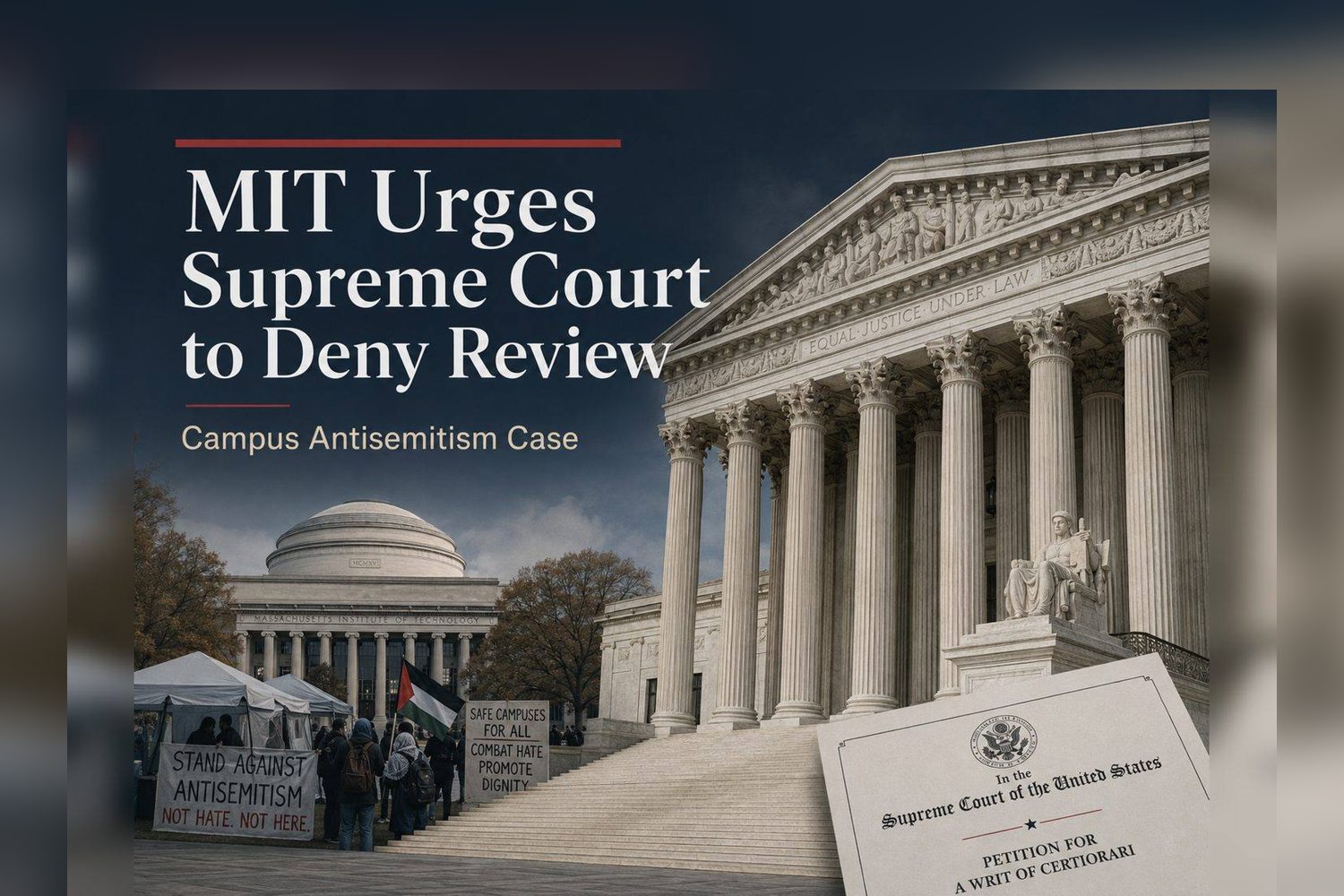
MIT Urges Supreme Court to Deny Review in Campus Antisemitism Case
MIT's brief in opposition tells the Justices the First Circuit's ruling was fact-bound, creates no circuit split, and that a broader Title VI rule would suppress political speech on campus.
Mark L. Javitch, Esq. · August 27, 2026
StandWithUs v. MIT: Read Every Supreme Court Brief
Eight amicus briefs back the Title VI cert petition against MIT, and MIT has now answered. Read the petition, all eight amicus briefs, and the brief in opposition.
Mark L. Javitch, Esq. · August 27, 2026

Ari Kohen and the UNL Holocaust Symposium: What the Public Records Show
Public records from a Nebraska mandamus suit show how UNL built its Sommerhauser Holocaust Symposium speaker list from Ari Kohen's Twitter following.
Mark L. Javitch, Esq. · August 27, 2026
Comments
No comments yet. Be the first to weigh in.